5 No Prep R Sound Activities for Older Students
Finding fun activities for your older articulation students can be really challenging—especially when you don’t have time to prep complicated materials. Between busy caseloads, paperwork, and meetings, finding engaging activities that don’t require cutting, laminating, or assembling can make a big difference.
The good news? You don’t need elaborate materials to make R sound practice effective. These no prep R sound activities are simple, engaging, and perfect for upper elementary, middle, and high school students.
1. R Sound Conversations
The ultimate goal of articulation therapy is for students to use their R sound accurately in everyday conversations, so it’s important to incorporate conversation practice as soon as they can say R correctly in most words. I often remind my students that even if they say their R sound correctly 15% of the time during a conversation, that’s still a big improvement over the 0% they were producing before. Every correct production in real conversation is a step toward lasting progress.
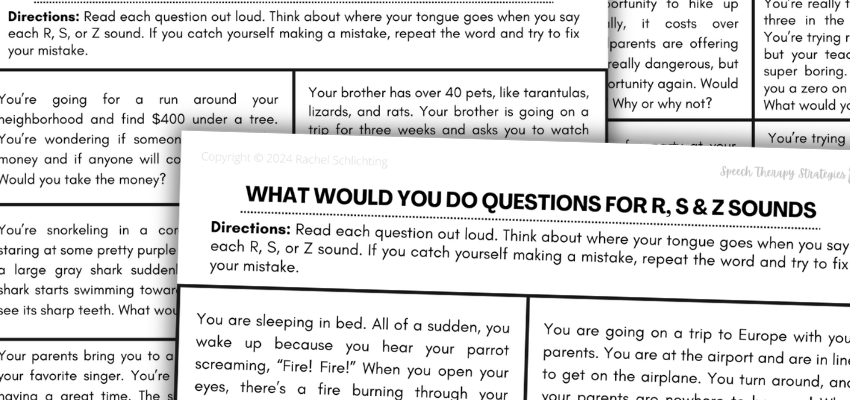
These articulation conversation starters provide hundreds of opportunities to say the R sound while discussing fun topics.
Each prompt has at least two R words and two S or Z words, making them perfect for mixed groups!
2. R Sound Stories
Many students are more consistent with their R sound when reading aloud. Seeing the letter R on the page serves as a helpful visual reminder to position their tongue correctly for accurate production. While there are many free R stories available online, most tend to be fairly short and typically include only 20 to 30 R words, which can limit practice opportunities.
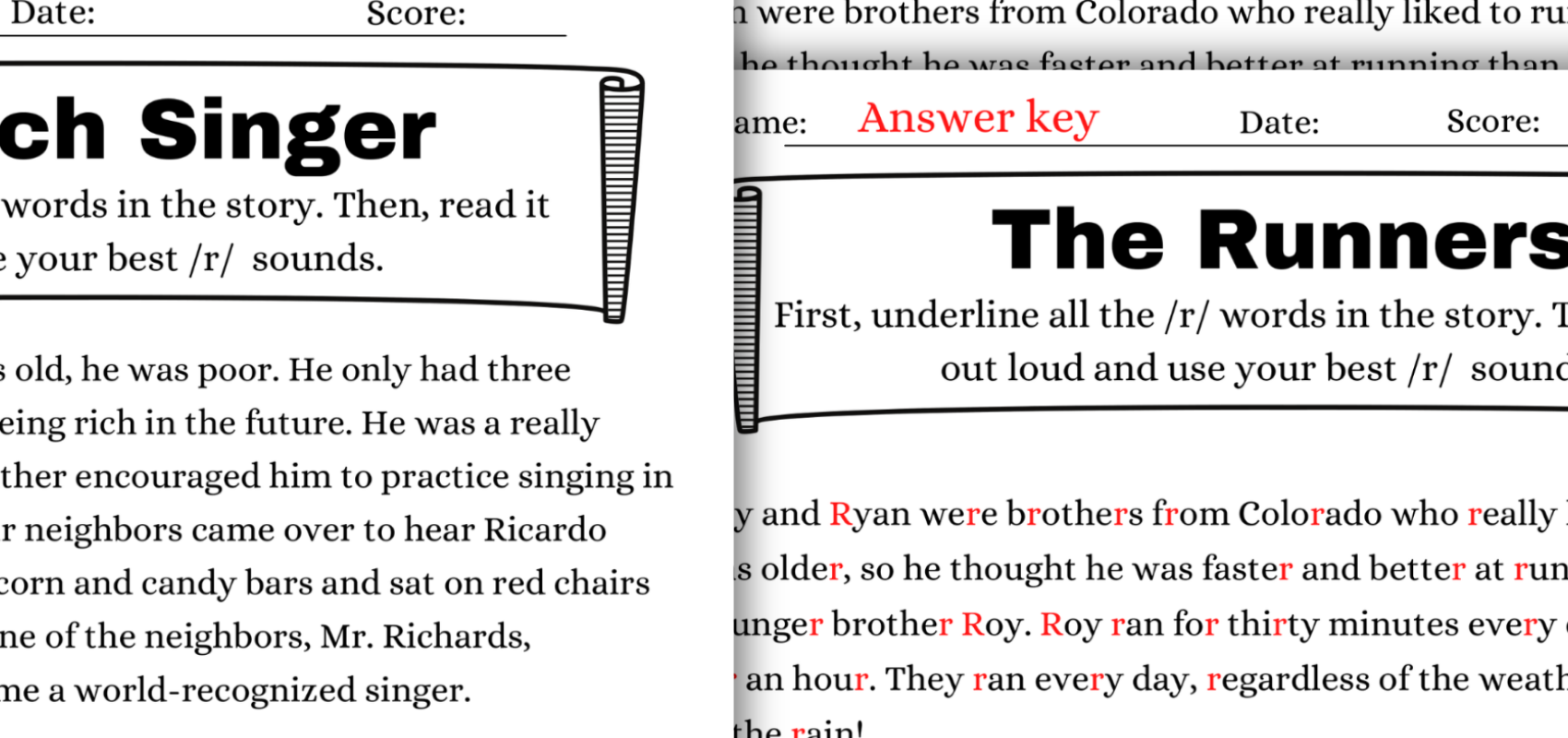
If your goal is to reach 100 or more repetitions in a session, my articulation stories are a no prep way to help students achieve this! Each one includes an answer key with all R sounds highlighted, making data collection easy.
3. R Sound Logic Puzzles
My middle school students absolutely love logic puzzles, and they’re one of the easiest ways to keep older students engaged in therapy. These types of activities feel more like brain challenges than traditional speech work, which can be especially motivating for students who are starting to feel “too old” for typical speech materials. Logic puzzles are also a great fit for students who are working on language or executive functioning skills, since they require careful listening, problem-solving, and attention to detail.
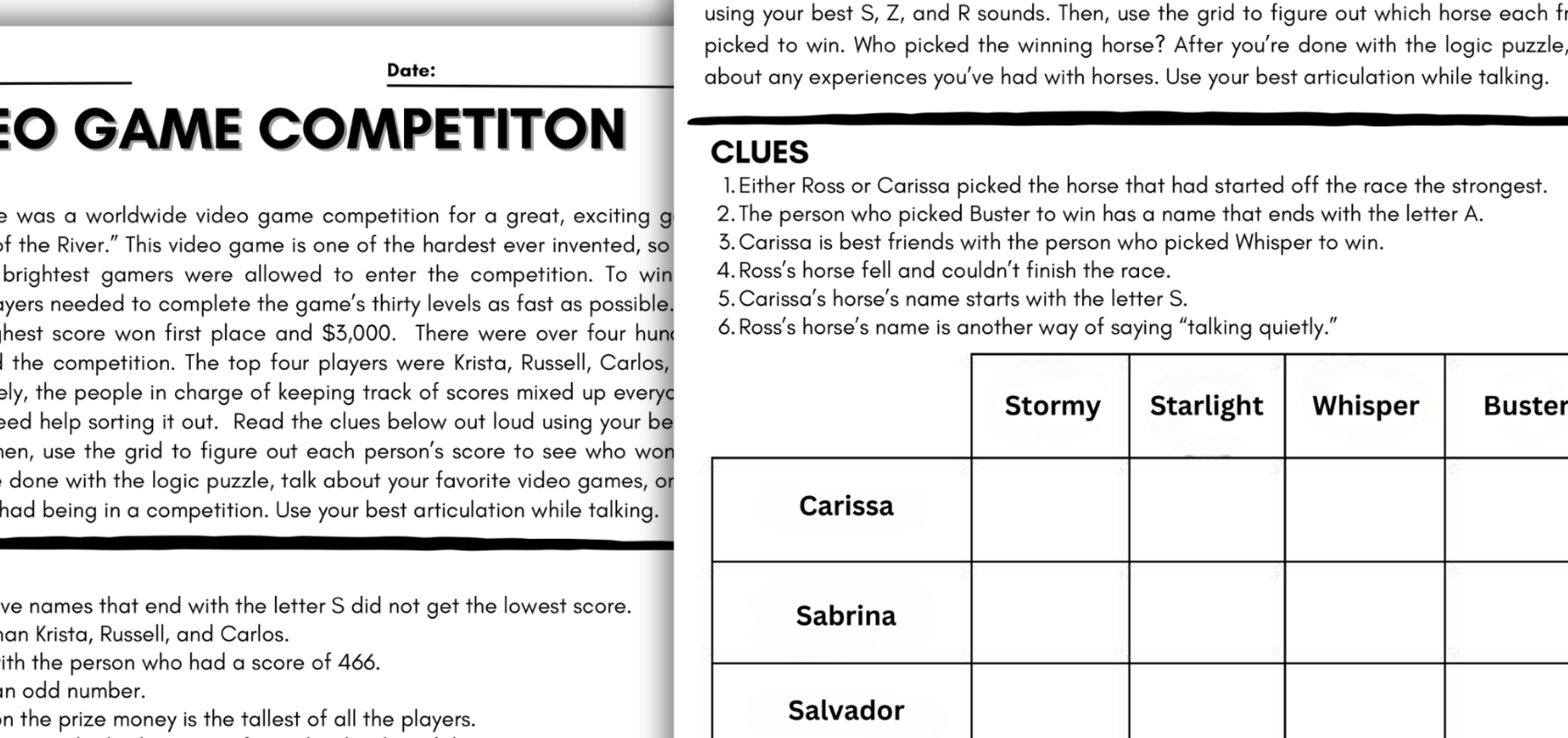
I have many themed logic puzzles, making it easy to keep activities fresh and engaging throughout the year.
Each product includes 10 unique logic puzzles along with answer keys, so you’ll always have ready-to-use materials at your fingertips.
4. R Sound Sentences Game
You can find plenty of R-loaded sentences online for free. You can find some of mine here. Try pairing those sentences with any board game that your students already enjoy to make the activity feel more fun and less like drill work. I usually look for games that involve short, quick turns, since that allows students to get more practice opportunities within a typical 15-20 minute session. Games like Connect 4, Uno, and Jenga are still big hits with my older students, and they’re simple enough to keep the focus on speech practice rather than complicated rules. This approach is also great for maintaining motivation while still getting in a high number of repetitions.
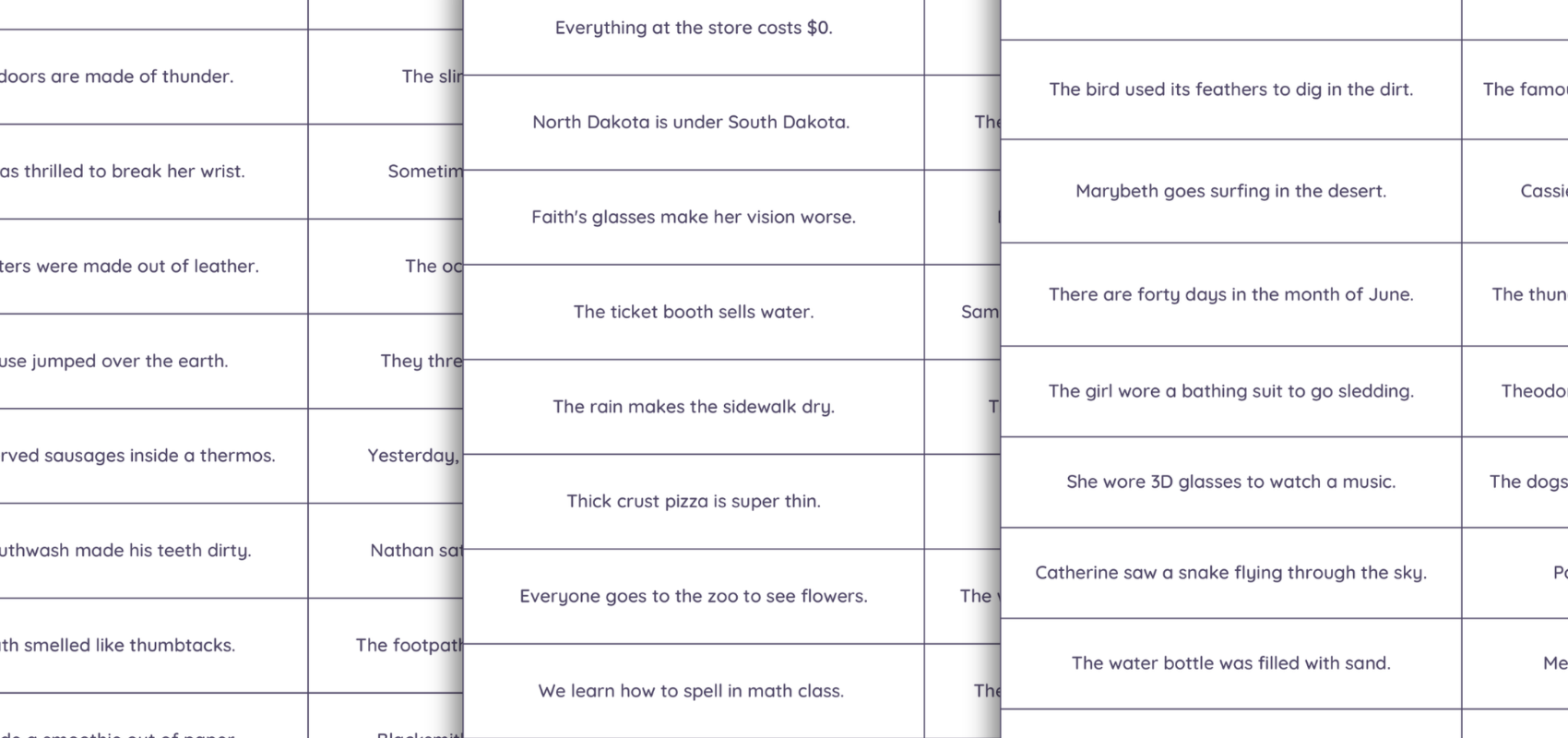
If you’re looking for sentences that work well with mixed articulation and language groups, be sure to check out my resource here! Each sentence includes at least one R, S, Z, and TH sound. Every sentence also features a semantic absurdity for students working on language skills.
5. R Sound Cards
You can find many types of articulation cards online to target the R sound, but most of them feature clip art that looks geared toward early elementary students. Unfortunately, many of our older students feel discouraged practicing with these. That’s exactly why I created cards with pictures and sentences designed with older students in mind.
I enjoy teaching my students different card games while targeting the R sound, since it makes practice more motivating. My students often request games like War, Garbage, or Speed—all quick-paced options that keep them involved and allow for a high number of repetitions in a short amount of time.
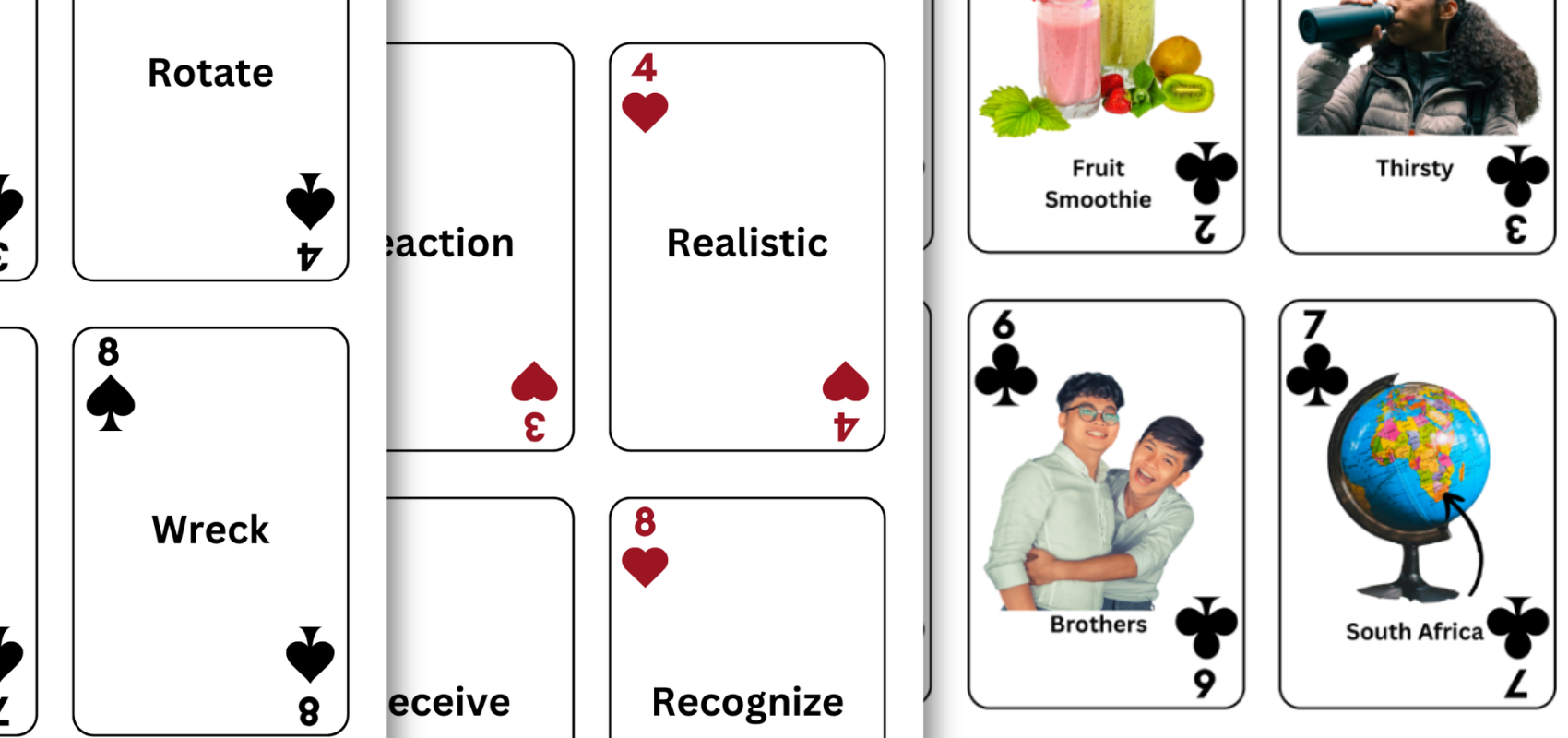
These cards allow students to practice saying words and sentences to help generalize their R sound with no little kid clip art.